

A working holiday in Legian, Bali
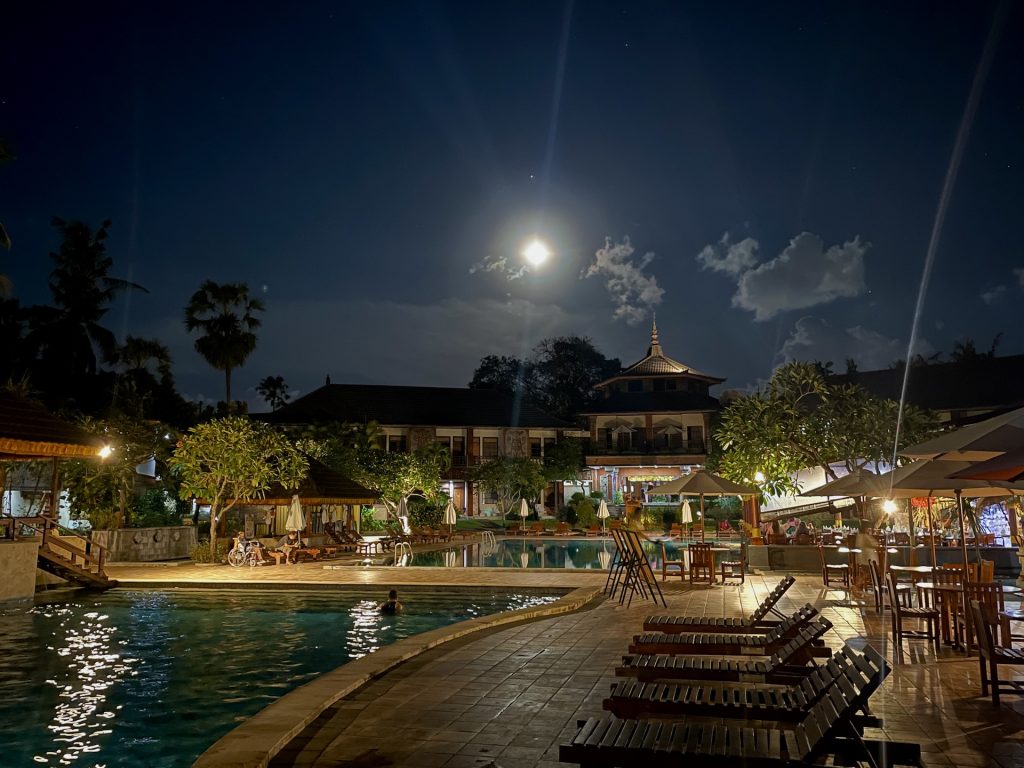
We spent one week in Legian. It’s very remote working friendly. We had stable internet connectivity, close proximity to shops, restaurants, bars and the beach. You can get by speaking basic English with the locals too. You’ll find a lot of expats and tourists in this area. If you’re open to socialising, you’ll meet a lot of people. We stayed in the Jayakarta Beach Resort apartments. You get access to the resort’s pools, beach, restaurants, reception, cleaning service and beach towels which is really convenient.
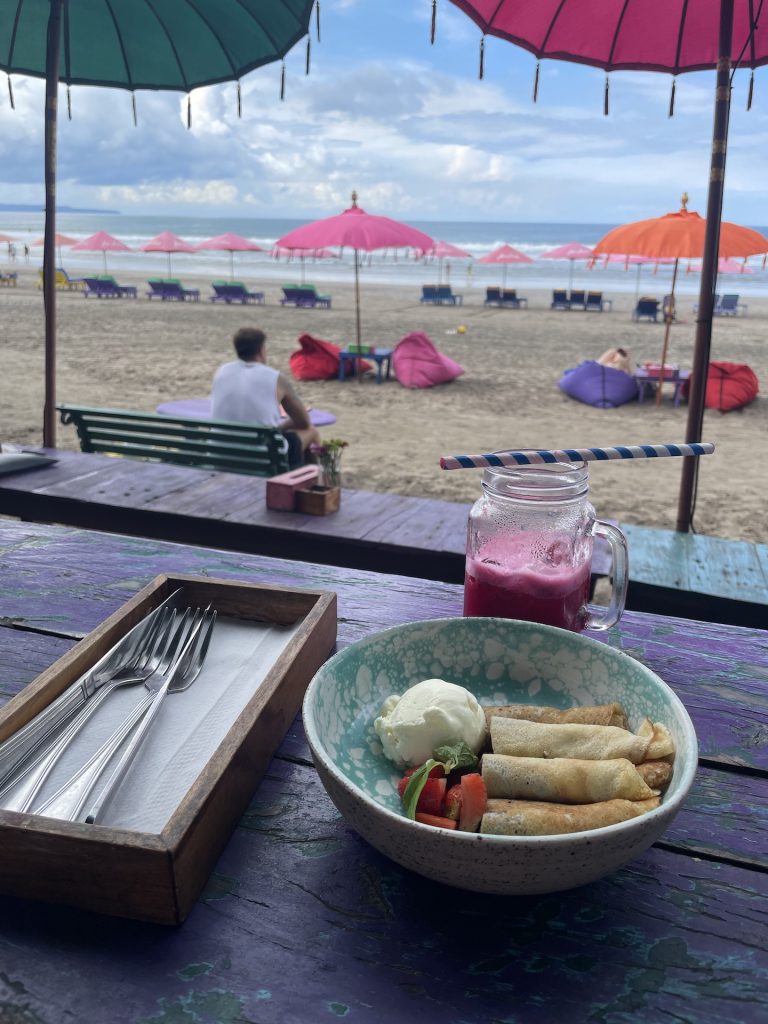
This area, much like the rest of Indonesia, is affordable. Obviously, prices in the restaurants, shops and places located in the touristy areas are highly inflated. First walk around a few places to get accustomed to certain prices based on what you would want to eat, drink or purchase before walking in and buying. Restaurants and bars tend to leave their menus outside, or have a board with prices. Our suggestion would be to rather walk a block or two onwards to find affordable authentic Indonesian food. These dishes should cost you on average 40 000 IDR (R40) per person. Some restaurants and bars include service charge, where in this case, you’re not obliged to tip more. However, in the case where there’s no service charge included, feel free to tip your waiter. Our feeling is, where possible, always leave a tip.
Some basic things to help you navigate through the menu:
- Goreng = fried
- Ayam = chicken
- Bebek = duck
- Mie = noodles
- Nasi = rice
- Capcay = soup
- Manis = sweet
Some restaurants we visited which we’d recommend you to visit in Legian:
- Tropical Hut Restaurant and bar
- The Barrel (buy 1 get one free specials on food and some drinks)
- Kuali Restaurant
Although not as many night clubs as the surrounding areas, there is quite a nightlife in Legian. Every bar and restaurant will have some form of live entertainment every night. They love their live music bands and drag queen shows.
You’ll find that temples and shrines have a black and white cloth wrapped around it. It represents good and evil; yin and yang; perfectly balanced. Temples, shrines, outside houses and shops will have Canang Sari, an offering placed by the locals every morning. It consists of various coloured flowers, each representing a certain god. A small food offering (biscuit, wafer, cracker or something similar), sometimes money or even a cigarette. You’ll also notice their swastika symbols everywhere. This is one of the oldest religious signs which represents good fortune.
We explored the city between 7AM and 1PM. From 1PM until 9PM we were behind our laptops working (given that South Africa is 6 hours behind Indonesia). It worked out perfectly.
To do:
- The sea water is warm, the waves are small and manageable, the wind isn’t crazy and if weather permits, go for surfing lessons. Look for classes that are around 2 to 2.5 hours long to get your money’s worth and practical experience. We used Up2U Surf School.
- Eat the local food. As abstract, weird and unfamiliar it may be, give it a go! You’ll be surprised.
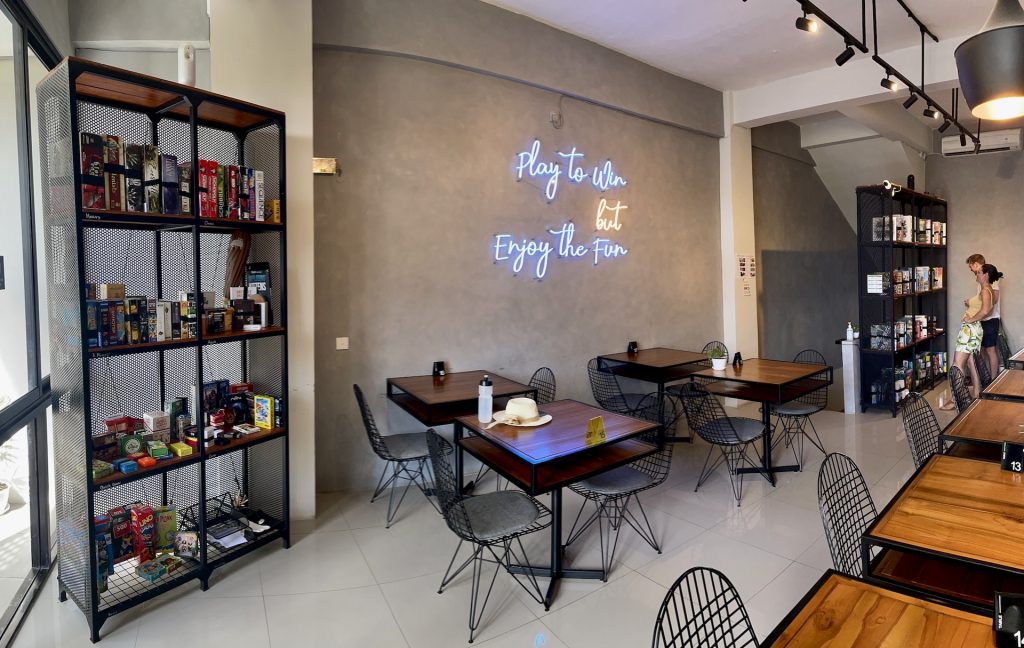
- For board game lovers, visit the Level Up Cafe in Seminyak and enjoy a breakfast / lunch
What stands out:
- Hawkers, taxi drivers and taxi scooters are keen to try to attract you, however they respectively stop if you say “No, thank you.”
- The area is trying their best to be environmentally friendly. Restaurants and bars serve paper straws, if you go to the Mini Market you have to purchase a material bag as plastic bags aren’t used.
- Plastic being washed up on the beaches. The locals make a huge effort to clean up in the mornings, but if you’re out before the clean up, the sight is quite disturbing.
- The men in Bali are very flirtatious with women. Especially if you’re not married and accompanied by a man.
- Lots of the small markets sell wooden crafts and some with surfboards with some vulgar sayings on.
- Feel free to negotiate on the prices that don’t have a tag on. The more you purchase, the lower you can pay for the items.


